
Soundproofing Floors: A Practical Guide for Homeowners
Soundproofing floors is something that many homeowners start to think about once everyday noise begins to travel a bit too easily through their house. Whether it's footsteps from upstairs, furniture being moved around, or voices carrying between rooms, unwanted sound can quickly become a frustrating nuisance. In older homes especially, where insulation may be limited, noise tends to pass straight through floor structures without much resistance. Taking steps to soundproof your floors can make quite a difference, helping to create a quieter, more comfortable living space that feels more private & less disruptive.
One of the first things to understand is that not all noise is the same, and this affects how you will need to approach soundproofing. There are generally two types of sound to consider: airborne noise & impact noise. Airborne noise includes things like voices, music, or television sound, while impact noise comes from physical contact, such as footsteps or dropped objects. Floors are particularly prone to impact noise, which means that the materials & methods used will need to be chosen carefully to effectively deal with this kind of vibration.
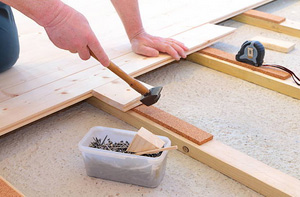
There are several ways to improve the soundproofing of floors, and the best option often depends on the type of flooring that you already have in place. For example, timber floorboards can allow sound to pass through gaps & hollow spaces, making them a common source of noise issues. In these cases, lifting the boards & installing acoustic insulation between the joists can significantly reduce sound transfer. This helps to absorb vibrations before they have a chance to travel further through the structure of the building.
Acoustic underlay is another popular solution, especially for homeowners who don't want to carry out major structural work. This type of underlay is designed to sit beneath carpets, laminate flooring, or engineered wood flooring, adding a layer that helps to absorb both airborne & impact noise. It's a relatively straightforward upgrade that can be installed without too much disruption, making it ideal for improving soundproofing in lived-in homes where you want to keep things simple.
For more effective results, some homeowners will choose to install additional layers to the floor itself. This might involve fitting soundproof boards or high-density panels over the top of the existing subfloor, creating extra mass that helps to block sound transmission. The principle here is fairly simple - the heavier & denser the material, the harder it is for sound waves to pass through. Combining mass with softer, absorbent materials often produces the best outcome, as it tackles both vibration & sound reflection at the same time.
It is also worth considering the role of floor finishes when thinking about soundproofing. Hard surfaces such as laminate, tile, or hardwood tend to reflect sound, which can make a room feel noisier overall. Adding soft finishes like carpets or large rugs can help to dampen the sound within the room while also reducing the amount of noise that travels through the floor. Even small changes like this can make a big difference, especially when combined with other soundproofing measures.
Gaps & weak points in the floor structure can also have a bigger impact than many people imagine. Sound will always find the easiest path, so even well-insulated floors can still allow noise through if there are gaps around skirting boards, pipes, or between floorboards. Sealing these areas with acoustic sealant or suitable fillers can help to improve the overall performance of your soundproofing efforts, making sure that the work you've done isn't undermined by small overlooked details.
When planning a floor soundproofing project, it is important to think about how far you want to go with it. For some households, a basic level of noise reduction is enough to make day-to-day living more comfortable. For others, particularly where noise issues are more severe, a more comprehensive approach may be needed. This could involve combining multiple methods, such as insulation, underlay, and additional floor layers, to achieve a higher level of sound control throughout the property.
Professional soundproofing services can be particularly useful when you're unsure where to start or what will work best for your home. A proper assessment will allow specialists to identify the main sources of noise and recommend solutions that are suited to your specific situation. This can save you time & money in the long run, as it avoids trial-and-error approaches that don't always deliver the results that you're hoping for.
Another factor to keep in mind is the level of disruption that is involved in the work. Some soundproofing methods, such as lifting floors or installing new structural layers, can take a bit more time & planning. Others, like fitting acoustic underlay or adding carpets, can be done much more quickly. Understanding what is involved at the outset will help you to choose an option that fits around your household routine and minimises inconvenience.
Budget is naturally a consideration as well, and the cost of soundproofing floors can vary depending on the approach that you take. Simpler solutions tend to be more affordable and can still provide significant improvements, while more advanced systems may require a larger investment but may offer greater long-term benefits. It's often worth weighing up the level of noise reduction you need against how much you're willing to spend to achieve it.
All in all, soundproofing floors is about creating a more comfortable & practical living environment. Whether you are dealing with noise from upstairs rooms, neighbouring properties, or just everyday household activity, the right combination of materials & methods can help to reduce disruption and improve the overall quality of life. With a bit of planning and the right approach, it is entirely possible to transform a noisy space into one that feels quieter, calmer, and far more enjoyable to live in.
More: Soundproofing Solutions, Soundproofing, Acoustic Treatment, Soundproofing, Acoustic Sealing, Acoustic Insulation, Noise Muffling, Ceiling Insulation, Noise Muffling, Noise Muffling, Noise Control, Soundproofing, Acoustic Design, Noise Elimination, Soundproofing Solutions, Sound Blocking, Floor Insulation, Soundproofing Solutions, Sound Blocking, Noise Reduction Services, Sound Control, Office Soundproofing, Wall Insulation, Sound Muffling, Noise Reduction, Soundproofing Specialists, Soundproofing Companies, Soundproofing, Sound Control, Acoustic Solutions, Cheap Soundproofing, Acoustic Solutions, Noise Muffling, Sound Barriers, Noise Elimination, Sound Control, Vibration Control, Noise Prevention, Floor Insulation, Noise Control, Noise Reduction, Soundproofing Companies, Soundproofing, Cheap Soundproofing, Soundproofing.
(This article on soundproofing floors was updated on 10-04-2026)
